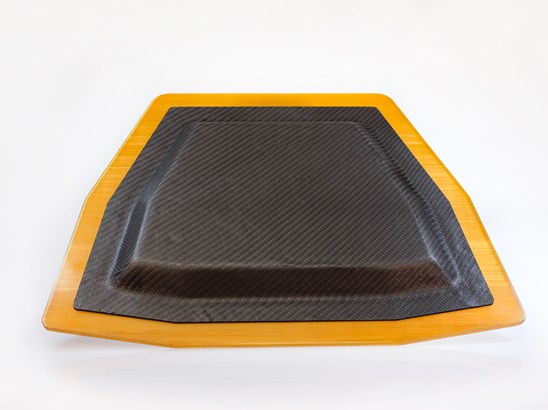
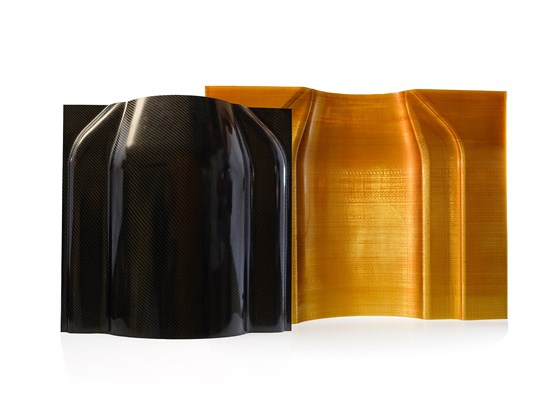
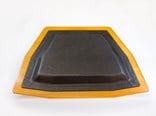
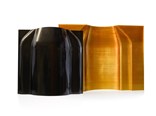
Identify tooling applications where time, cost, or complexity is a barrier. Then consult with a Stratasys expert to explore printable designs and determine whether FDM® or SLA is best suited to your tooling needs.
1. What is composite tooling?
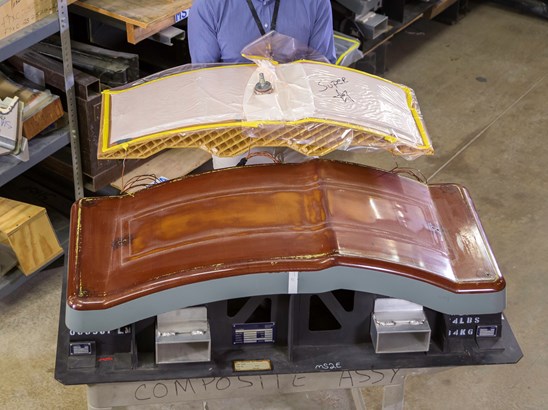
Composite tools refer to the molds used to create composite materials. These tools are known for their stiffness, durability, and their ability to retain their shape under the high temperatures of the molding process.
2. How does 3D printing benefit composite tooling?
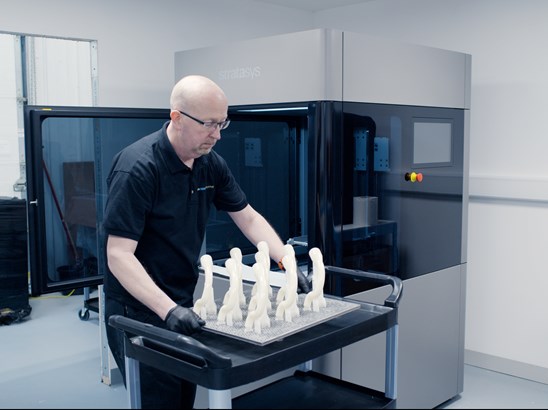
3D printing offers several benefits for composite tooling, including reduced lead times, cost efficiency, design flexibility, and simplified tooling processes.
3. What materials are used in 3D printed composite tooling?
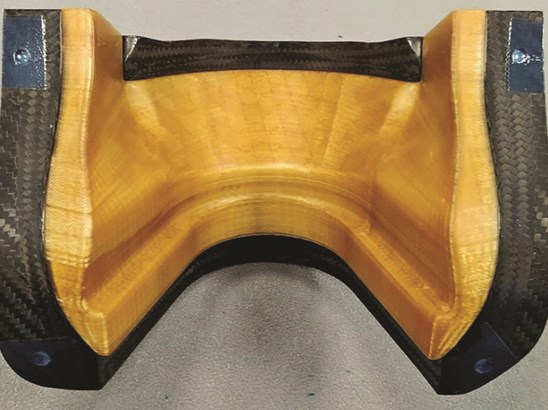
Common materials used in 3D printed composite tooling include high-performance thermoplastics, carbon fiber-reinforced polymers, and other advanced composites that can withstand high temperatures and mechanical stresses.
4. Can 3D printed composite tools be used for high-temperature applications?
Yes, 3D printed composite tools can be designed to withstand high temperatures, making them suitable for demanding applications in industries such as aerospace and automotive.
5. What are sacrificial tooling techniques in 3D printing?
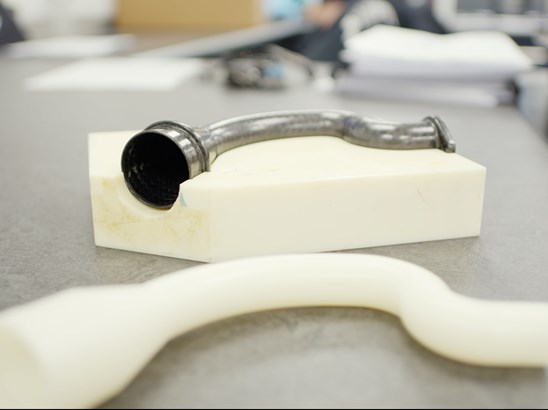
Sacrificial tooling techniques involve creating a tool that is designed to be easily removed or dissolved after the composite part is formed. This simplifies the manufacturing process, especially for hollow parts, and reduces the risk of damage to the final part.
6.How does 3D printing reduce production costs for composite tooling?
By eliminating the need for complex molds and additional tooling, 3D printing reduces overall production costs. This is particularly beneficial for low-volume production and high product mix scenarios.